
Here’s the thing about teaching kids financial literacy: the minute it feels like a lecture, you’ve lost them. But turn those same concepts into something they can touch, experiment with, and actually do? Now you’ve got their attention.
Teaching kids about saving and spending doesn’t require fancy apps or complicated systems. What it does require is creativity, consistency, and activities that connect to their actual lives. Let’s look at five practical ways to teach these essential money skills for kids from kindergarten through fifth grade.
1. Create a Visual Savings System They Can Actually See
Forget abstract bank accounts. Kids need to see their money growing, which is why visual savings systems work so well.
Set Up a Clear Jar Savings System
Grab three clear jars and label them: Save, Spend, and Share. Every time your child receives money, whether it’s from an allowance, birthday gifts, or earnings, they divide it among the three jars. The beauty of clear containers is that kids can literally watch their money pile up.
Let them choose what they’re saving for and write the goal on the Save jar with the target amount. Now they have a visual reminder of why they’re choosing to save.
The Share jar introduces an important concept early: money can be a tool for making a difference. Talk about causes they care about: animal shelters, helping families, environmental projects. When the Share jar fills up, let them choose where it goes.
Try the Savings Challenge Approach
For kids who love a good challenge, create a visual savings chart. Every time they add money to savings, they color in or add a sticker. The visual progress keeps motivation high and makes saving feel like an achievement.
2. Give Them Real Purchasing Decisions (With Real Consequences)
Theory is fine, but nothing teaches quite like experience. When kids have their own money and freedom to make choices with it, they learn faster than any worksheet could teach them.
The Store Trip Strategy
Next time you’re heading to the store, give your child a specific budget for something they want. The catch? They have to stay within the budget, and once they spend it, it’s gone.
Watch what happens. Suddenly, they’re comparing prices, weighing options, making trade-offs, and thinking ahead. These are the exact skills adults use every day.
Some kids will blow through their budget on the first thing they see. That’s okay. That’s part of the lesson. When they regret the impulse buy later, they’ve learned something valuable about patience and comparison shopping.
Create “Spending Days” vs. “Saving Weeks”
Instead of random spending whenever they ask, establish a rhythm. Maybe Sunday is “spending day” for their Spend jar money. The rest of the week, purchases wait. This simple structure teaches delayed gratification.
3. Turn Them Into Entrepreneurs (Even If It’s Just for a Day)
Nothing teaches the value of money quite like earning it yourself. We’re talking about actual entrepreneurship where kids create value and get paid for it.
Launch a Mini Business Project
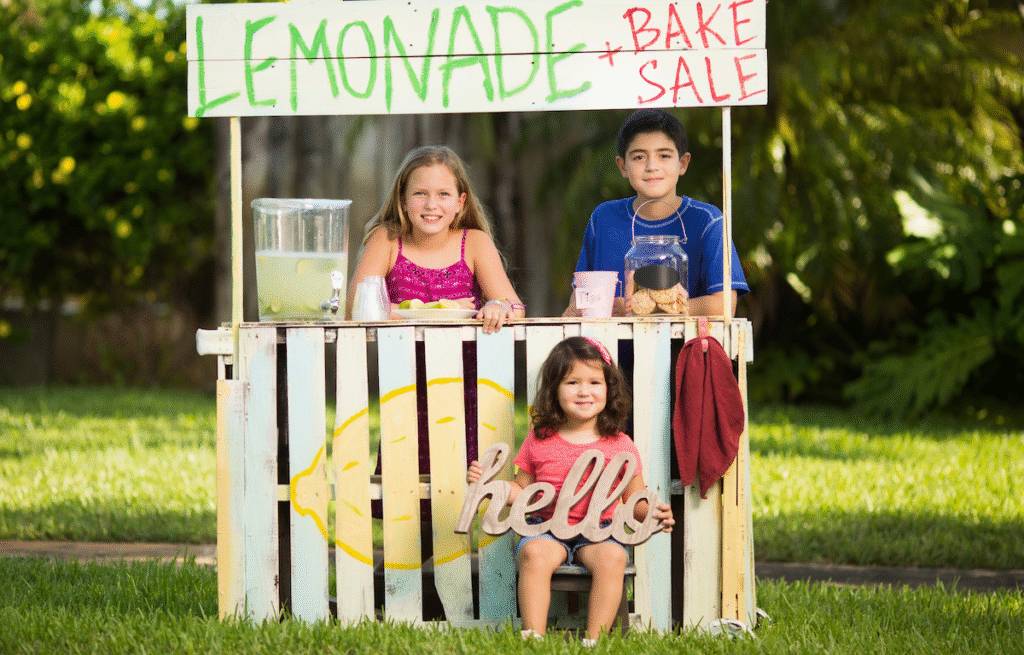
A lemonade stand, car wash, bracelet-making business, or bake sale … the product doesn’t matter as much as the process. Here’s what kids learn:
They figure out startup costs. Making lemonade? They need to buy supplies first. This introduces the concept that you sometimes have to spend money to make money.
They practice pricing strategy. Too high and nobody buys. Too low and they barely make anything. This real-world pricing puzzle teaches market awareness.
They experience profit and loss firsthand. After closing, count the money together. Subtract supply costs. What’s left is profit. Both big wins and modest earnings are valuable lessons.
They develop work ethic and pride. There’s something powerful about a child holding money they earned through their own effort. It builds confidence and shows them they can create opportunities.
Connect It to Real Career Exploration
Talk about how real businesses work the same way. A restaurant buys ingredients, a bookstore purchases books, a clothing store needs inventory. This connects their project to the bigger economic world.
4. Play Games That Make Money Concepts Click
Kids learn through play, so use that to teach financial literacy. Strategic games teach money management without feeling like a lesson.
Board Games That Build Money Skills
Monopoly teaches property ownership and strategic investment. The Game of Life walks kids through earning, spending, and major purchases. For younger children, Payday introduces earning a salary and paying bills.
Even playing “store” with pretend money teaches counting, making change, and transaction basics. Set up a play store at home with pantry items, price tags, and play money. Let kids take turns being shopkeepers and customers.
Digital Games With Financial Lessons
Quality apps simulate running a business, managing a budget, or saving toward goals. The key is choosing games that require actual decision-making rather than mindless clicking.
The best part? Kids will want to play repeatedly, and each time, the financial concepts sink in deeper.
5. Create Real Savings Goals With Built-In Motivation
Abstract saving is hard for adults, let alone kids. But saving for something specific they genuinely want? That’s completely different.
The Goal-Setting Framework That Works
Sit down with your child and identify something they really want. Make it specific and visual. Print a picture and attach it to their savings jar or create a savings thermometer showing progress.
Break down the goal into achievable steps. Want a $50 toy and earn $5 per week? That’s ten weeks. Put it on a calendar. Count down together. Celebrate milestones along the way.
Make Them Partners in Family Financial Decisions
When appropriate, involve kids in real family saving goals. Planning a vacation? Show them how you’re setting aside money each month. When they see adults also saving toward goals, it normalizes the behavior.
Try letting children help decide between two outings based on cost. “We have $100 for a special activity. We could go to the trampoline park for $80 and have money left over, or the theme park for the full $100. What do you think?” These conversations teach budgeting and trade-offs.
What Makes These Methods Actually Work?
Notice what all five approaches have in common? They’re active, not passive. Kids not only handling money, they’re counting it, earning it, and making real decisions with it.
They’re also low-pressure. When a child makes a spending choice they later regret, that becomes a learning opportunity, not a failure. This safe environment is exactly what kids need to develop confidence with money.
These methods show that kids are capable. We’re giving them age-appropriate access to real financial concepts and trusting them to engage meaningfully.
When Should You Start Teaching Saving and Spending?
Right now. Whatever age your child is currently, that’s the right age to start. Kindergarteners can grasp that money is earned and sometimes we save it. Third graders can manage their own small budget. Fifth graders are ready for calculating percentages or comparing unit prices.
The beautiful thing about starting early is that these habits compound. A child practicing saving at age six will have years of experience by the time they’re a teenager facing bigger money decisions.
Why These Skills Matter for the Future
Kids who understand saving and spending become people who can delay gratification to achieve bigger goals. They understand that resources are finite and choices have consequences. They know how to prioritize, plan ahead, and make strategic decisions.
These skills show up everywhere: managing a college budget, furnishing their first apartment, deciding whether to invest in career training, and handling unexpected expenses throughout life.
But it starts here, in these early years, with clear jars and lemonade stands and conversations about trade-offs. Every small choice is practice for bigger ones down the road.
Making Financial Literacy Part of Daily Life
The most effective financial education happens when money conversations become woven into daily life. Talk about prices when shopping. Explain why you’re choosing to save for something. Let kids see you making intentional financial decisions.
Every child deserves to grow up feeling confident about money. These five approaches give you practical starting points, whether you’re a parent at home or an educator in the classroom. Pick one, start today, and watch how quickly kids engage when financial learning is hands-on, relevant, and actually fun.
Ready to Take Financial Literacy Further?
Business Basics for Kids offers a complete K-5 curriculum that builds on these foundational concepts with standards-aligned lessons, interactive projects, and entrepreneurship education. Give your students or children the tools they need for lifelong financial confidence. Explore our resources today.